
THE SOLO TRAVELLER
Your world. Your way.
Destinations

Africa’s highest peak Mount Kilimanjaro, Amboseli National Park, Kenya. Photographer: Naephoto.
Women are leading Kenya’s transformation
By Tiffany West
Briefly …
With a long-standing reputation as a classic safari destination, Kenya is emerging as one of the world’s most welcoming and culturally alive destinations. From the capital Nairobi’s year-round festival scene and women-led conservation to a quietly confident food movement, this is a country redefining what meaningful travel looks and feels like.
When most travellers think of Kenya, they picture the Maasai Mara at dawn, with lions stretching in golden light and zebras dotting endless grassland. But this East African nation is quietly reshaping what it means to visit, expanding far beyond the ‘game drive’ to embrace culture, gastronomy, and community-led conservation. The renaissance of this classic African destination is part of why readers of the renowned Condé Nast Traveler recently named Kenya – with a winning score of 98.46 – 2025’s “Friendliest Country In The World”.
“The ‘Big Five’ animals (lion, leopard, rhinoceros, elephant, and Cape Buffalo) usually take centre stage here, but behind each lovely Kenyan safari, there’s a whole host of even lovelier guides who make you feel completely at ease, even when metres away from a prowling lion,” Condé Nast Traveller reported. “Nairobi’s eclectic nightlife scene showcases Kenya’s passion for parties. At the same time, those looking for a more relaxed break can explore the dreamy coastline, dotted with five-star resorts along endless stretches of white sand.”
Across Kenya, women are increasingly the face of conservation tourism, with the Kenya Association of Women in Tourism, founded in 2019, now connecting travellers with more than 200 women-owned businesses from tour operators to artisan workshops. On Wasini Island, marine biologist Dr Amina Mohammed leads coral restoration dives where visitors help plant fragments and monitor reef health. Her organisation, Wasini Women’s Coral Restoration Group, has restored over two acres of reef since 2022.
In Laikipia County, the percentage of women wildlife guides has jumped from 12 percent to 34 percent in three years, according to the Kenya Wildlife Service. At Ol Pejeta Conservancy, senior guide Mary Leparsalaw leads rhino tracking expeditions and explains how tourism revenue funds anti-poaching efforts.

Women are increasingly the face of conservation tourism, with the Kenya Association of Women in Tourism now connecting travellers with more than 200 women-owned businesses from tour operators to artisan workshops. Photographer: Bennett Tobias | Unsplash.
Nairobi’s cultural calendar now rivals major African cities, with women-led conservation initiatives changing how tourism dollars flow to communities. And a new generation of Kenyan chefs and entrepreneurs is putting the country's cuisine on the international map.
Kenya’s capital has transformed into East Africa’s cultural hub, with festivals running nearly year-round. The Koroga Festival, now in its eighth year, draws 15,000 attendees to monthly concerts featuring international and local acts alongside food vendors from across the country. October is set to bring the inaugural Wakati Wetu Festival, focused on contemporary East African art and design, while the evergreen series of Blankets & Wine Festivals offer an exhilarating entry point to Nairobi’s music and food scene.
Creative spaces cluster in neighbourhoods like Westlands and Karen, where galleries, studios, and pop-up exhibitions create a heady cultural pulse. Many visitors now plan long weekends in Nairobi before heading to national parks or extend safari trips to catch film screenings at the Nairobi International Film Festival in September.

Bankslave’s mural of marathon world record holder, Eliud Kipchoge, located on Nairobi’s Kenyatta Avenue, which is the main road that enters the city’s central park (Nairobi National Park). The bottom of the mural reads 1:59:40, representing Kipchoge’s mind-boggling sub-two-hour time where he became the first man to (unofficially) break the two-hour barrier. The top of the mural has his famous inspirational quote, “No Human is Limited”. Photographer: Peter Okwara | Unsplash.
Kenyan cuisine is having a moment that extends far beyond tourist hotels. In Nairobi, restaurants such as Talisman showcase indigenous ingredients like amaranth and spider plant alongside coastal flavours, featuring tasting menus built around traditional Kikuyu, Luo and Maasai preparations. The movement includes craft beverages with Procera Gin distilling botanicals from the Aberdare Mountains, while Keriko Coffee works directly with smallholder farmers to showcase single-origin beans. At the monthly Nairobi Street Food Festival, vendors serve elevated versions of coastal samosas and nyama choma alongside international offerings.
Farm experiences are expanding beyond coffee tours. Near Nakuru, Punda Milia Ostriches offers tastings of ostrich meat prepared by local chefs, while tea plantations around Kericho now feature multi-course meals highlighting different varieties and processing methods.
Kenya’s adventure tourism is evolving to emphasise thrills and environmental stewardship. Around Lake Naivasha, bicycle tour company Ride Kenya has mapped 150 miles of routes following historic wildlife corridors, allowing cyclists to track elephant paths and understand migration patterns.

Tsavo East National Park, Kitui, Kenya. Photographer: Michelangelo Azzariti | Unsplash.
Community-run conservancies continue to redefine safari economics. At Naboisho Conservancy in the greater Mara ecosystem, visitor numbers are capped at one vehicle per 700 acres compared to unlimited access in national parks. The result is that guests often encounter wildlife without seeing other vehicles, while conservancy fees flow directly to Maasai landholders. Peak wildlife viewing runs June through October, but cultural events and milder weather make November–March increasingly popular.
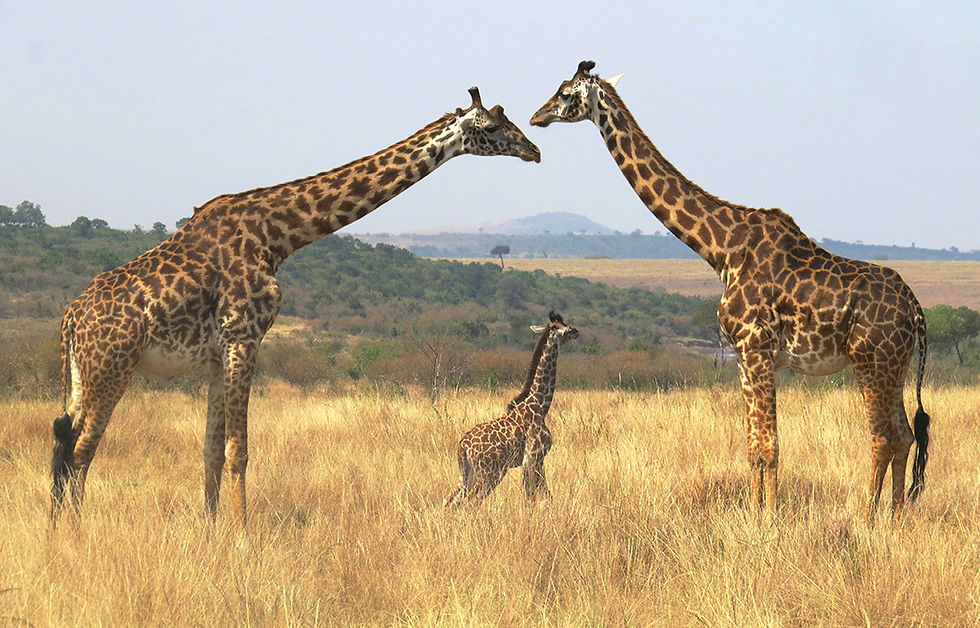
Maasai Mara National Reserve, Kenya. Photographer: Melissa van Niekerk | Unsplash.
Many lodges now run entirely on solar power and offer carbon offset programs tied to local reforestation projects. At Angama Mara, guests can join rangers for camera trap monitoring or participate in tree-planting initiatives that have restored 500 acres of indigenous forest since 2021.
Dark sky tourism is emerging as Kenya’s high-altitude locations and minimal light pollution create ideal stargazing conditions. Ol Donyo Lodge in Chyulu Hills now offers ‘cosmic safaris’ with professional telescopes and Maasai guides who share traditional astronomical knowledge alongside scientific observation.
Kenya is less about ticking off sightings and more about how a place makes you feel while you are there – welcomed, curious, and connected. Whether you are listening to live music as the sun drops over Nairobi, planting coral beside women restoring their island’s future, or standing under impossibly clear stars with a Maasai guide who names the constellations differently, this is a country inviting travellers to slow down and stay present. The wildlife is still extraordinary, but it is the people and the stories they share that matter most.
To learn more about women-led tourism in Kenya, visit the Kenya Association of Women in Tourism website here.
To learn more about Condé Nast Traveler’s ‘The friendliest countries in the world: 2025 Readers’ Choice Awards’, visit the Condé Nast Traveler website here.
Tiffany West is The Solo Traveller’s Editorial and Pictorial Assistant Lead. This feature includes information provided by international news agencies and public relations representatives, published here with editorial oversight. You can read The Solo Traveller’s editorial policy regarding external sources here.