
THE SOLO TRAVELLER
Your world. Your way.
Listicles
10 common solo travel doubts and what to do about them

Hierapolis is an ancient Greco-Roman and Byzantine city located atop the white travertine terraces of Pamukkale in southwestern Turkey. Founded in the 2nd century BC as a thermal spa, this UNESCO World Heritage Site features remarkable ruins, including a massive amphitheatre, a vast necropolis, and ‘Cleopatra's Pool’ – a 2,200-year-old thermal spring where visitors can swim among submerged Roman columns from the Temple of Apollo. Photographer: Fokkebok.
Hot tip: Don’t get stuck in a sea of selfie sticks. If a destination screams “Fun for the whole family!” or boasts group discounts, family discounts, and “Kids eat for free!” incentives, take it as a warning. Thorough research can help you dodge the buffet lines and bouncy castles – because nothing kills your inner wanderer like being the lone adult on a pirate-themed banana boat.
Here are 10 questions that might be floating around your head, with practical advice to help you move from dreaming to doing.
1. Can I really afford to travel solo? Yes, but you’ll need a plan. Solo travel can be as budget-friendly or as luxurious as you make it. If you haven’t just won the lottery, or if contemplating the potential lack of affordability has become a roadblock to your dream destinations and planning, start small – weekend trips, house-sits, volunteering opportunities, or off-season destinations. Use flight alerts, set a savings goal, and stick to cost-effective destinations until you find your rhythm. This is also where you need to start to think about ‘value’ – how will the cost reflect what you can comfortably afford, and how much real, potentially life-changing value the experiences will bring to your life.
2. Isn’t it dangerous to go alone? It depends more on how you travel than whether you’re solo. Trust your instincts, do your research, and start with destinations known for safety and solo-friendly infrastructure. Japan, Portugal, and New Zealand are great starters. Confidence grows with every trip.
3. What if I get lonely? You probably will at times, but solo doesn’t mean solitary. Hostels, walking tours, food tours, and even just saying “Hello” go a long way. And you’ll learn to love your own company in ways you may never have expected.
4. Where should I go first? Choose somewhere that feels manageable and inspiring. Ask yourself: urban or wild? Beach or mountain? Culture or nature?
5. Should I book a tour instead? If it gets you moving, then yes. Small-group tours can be a useful bridge – you’re not totally alone, but you still get time alone. Just watch out for the dollar amount of the single supplements.
6. What if something goes wrong? Something probably will, and you’ll handle it. That’s the magic. Take out insurance, keep copies of documents, and let someone know your plans. Start with ‘soft landings’ like destinations that speak your language or have great public transport.
7. I’m introverted. Is solo travel really for me? Introverts often thrive as solo travellers. You set the pace, choose your company (or lack of), and dive deep into experiences without needing to perform. It’s less lonely than you think, and more liberating than you imagine.
8. What about eating alone? Pack a journal, sit at the bar, join a food tour, or try local markets. No one’s looking at you. And if they are? Own it.
9. How do I know I’m ready? You won’t, and that’s kind of the point. You’ll feel a mix of fear and excitement but book the ticket anyway. You’ll figure the rest out once you’re there. No one’s ever fully ‘ready’.
10. What if I fall in love with it? Then welcome to your world! Your solo travel journey might start with one trip, but it won’t end there. Once you realise you’re capable of navigating the world on your own, everything changes, including you.
Top 10 airports in Europe

Istanbul Airport, Turkey. Photographer: Artem Bryzgalov | Unsplash.
Travel and aviation infrastructure in Europe is rapidly evolving, with airports embracing cutting-edge technologies like artificial intelligence (AI), automation, biometrics, and sustainability, extensive digital investment.
Here, we publish the Top 10 Airports from the list of the Top 50 Airports in Europe ranked by Travel and Tour World, a list that highlights the airports leading the charge in AI innovation and technological advancements. The ranking assesses airports based on AI-driven operations, biometric processing, smart security systems, automation, and predictive analytics.
“AI, automation, and data-driven systems are rapidly redefining how Europe’s airports operate. This ranking highlights the airports that have moved beyond pilot projects to embed intelligent technologies across security, passenger processing, and core operations, setting a new standard for the future of air travel,” said Anup Kumar Keshan, Travel and Tour World’s Founder and Editor-in-Chief.
1. London Heathrow, United Kingdom, deploys large-scale AI platforms across security, baggage handling, and operational resilience. Advanced biometrics, predictive analytics, and data-driven disruption management support one of the world’s busiest airports, reinforcing Heathrow’s reputation as a global leader in smart airport infrastructure.
2. Istanbul, Turkey stands among the world’s most technologically advanced greenfield hubs. AI-driven terminal management, biometric passenger processing, smart energy systems, and integrated digital platforms underpin its rapid scalability and position it as a benchmark for future mega-airports.
3. Paris Charles de Gaulle, France, leads Europe in AI-driven aviation security, biometric passenger corridors, and predictive operations management. The airport has invested heavily in smart border controls, AI-assisted surveillance, and real-time passenger flow optimisation, positioning CDG as a flagship hub for next-generation airport technology.
4. Frankfurt, Germany, is a pioneer in robotics, AI-powered baggage systems, and smart terminal automation. Its technology investments focus on predictive maintenance, passenger flow optimisation, and autonomous airside solutions, ensuring high efficiency across complex, high-volume operations.
5. Berlin Brandenburg, Germany, continues to expand its digital infrastructure with AI-enabled security systems, automated passenger processing, and smart terminal operations. Ongoing technology upgrades focus on improving efficiency, resilience, and passenger experience across its modern airport ecosystem.
6. Munich, Germany, is widely recognised for award-winning digital transformation initiatives. AI-powered operations control centres, smart mobility solutions, and passenger-centric technologies enhance efficiency, sustainability, and service quality, cementing Munich’s status as a European innovation leader.
7. Brussels, Belgium, has made significant investments in AI-supported passenger flow analytics, biometric processing, and digital security solutions. Its technology roadmap emphasizes operational efficiency, seamless connectivity, and data-driven decision-making across both passenger and cargo operations.
8. Rome Fiumicino, Italy, is Europe’s benchmark for AI-led airport operations. From predictive analytics and biometric boarding to AI-supported sustainability systems, the airport integrates innovation across all functions, earning repeated recognition for digital transformation excellence.
9. Amsterdam Schiphol, Netherlands, employs AI extensively for passenger flow optimization, real-time capacity management, and predictive operational planning. Its smart airport ecosystem combines biometrics, data analytics, and automation to improve resilience and passenger experience at scale.
10. Helsinki-Vantaa, Finland, is a leader in smart airport efficiency, leveraging AI for security screening, passenger processing, and operational forecasting. Strong digital integration and automation enable seamless transfers, positioning the airport as a Nordic benchmark for intelligent aviation infrastructure.
To see the complete list of Europe’s Top 50 Airports, visit the Travel and Tour World website here.
Top 10 benefits of hiking in nature

The Scenic Rim Trail, Queensland, Australia, showcases more than 30,000 hectares of nature refuges, states forests, and national parks. Image courtesy Great Walks of Australia.
Great Walks of Australia is a collection of 15 of Australia’s most spectacular walking experiences, where each walk pairs world-class natural settings with expert guides, exceptional hospitality and a strong commitment to sustainability and conservation. The collection spans Australia’s magnificent coastlines, alpine wilderness, outback ranges, rainforests, and remote bush environments, offering restorative, low-impact walking experiences for seasoned hikers and first-time multi-day walkers alike.
Here, Great Walks of Australia share ten ways that hiking in nature can deliver life-enhancing health benefits.
1. Stress reduction: natural environments lower cortisol levels and calm the nervous system, helping you decompress from daily stressors.
2. Mood improvement: hiking boosts endorphins and serotonin, often leading to increased happiness and reduced symptoms of anxiety and depression.
3. Enhancement of cardiovascular health: regular hikes improve heart function, circulation, and overall endurance.
4. Strengthening of muscles and bones: uneven terrain engages stabilising muscles, while weight-bearing movement strengthens bones and improves balance.
5. Immune function boost: exposure to fresh air, sunlight (vitamin D), and natural microbes can support a healthy immune system.
6. Greater creativity and focus: time away from digital devices and exposure to nature has been shown to improve attention span and creative problem solving.
7. Better sleep: physical exertion combined with natural light exposure helps regulate circadian rhythms.
8. Mindfulness: hiking naturally draws your attention to your surroundings – sights, sounds, and sensations, enhancing presence and mental clarity.
9. Social connection: if you hike with others, it strengthens relationships and provides shared positive experiences.
10. Building resilience and confidence: overcoming challenges like steep climbs or long distances boosts self-efficacy and a sense of accomplishment.
To find out more, visit the Great Walks of Australia website here.
The top 10 Polarsteps app destinations for 2026

The ‘Three Rocks’ on Cheow Lan Lake in Khao Sok National Park, Thailand, are officially known as Khao Sam Kler (Three Friends Mountain), an iconic trio of limestone cliffs rising dramatically from the emerald water, symbolising friendship. Photographer: Vladimir Razguliaev | iStock
With hundreds of thousands of trips already planned in the Polarsteps app for 2026, early travel trends are emerging. Here are the top 10 countries featured in planned trips by travellers who use Polarsteps for the year ahead (with the 2025 travel ranking in brackets).
1. Thailand (8)
2. Spain (3)
3. Japan (18)
4. United States of America (9)
5. United Kingdom (5)
6. Vietnam (16)
7. France (2)
8. Italy (4)
9. Germany (1)
10. Australia (23).
Our top picks for Australia’s best solo traveller hiking trails

The Three Capes Track, Tasmania, Australia. Photographer: InfiniteFlow.
Australia’s hiking trails offer solo travellers space to move deliberately and attentively through some of the country’s most varied landscapes. From multi-day wilderness walks across alpine, desert, island, and coastal terrain to shorter tracks rich in culture and contrast, these hikes reward independence, awareness, and the quiet satisfaction of going it alone.
Three Capes Track (Tasmania) A 4-day guided walk, but each cape also features rewarding short hikes.
Overland Track (Tasmania) 65 km through Cradle Mountain–Lake St Clair National Park featuring alpine meadows, rainforest, and glacial lakes.
Larapinta Trail (Northern Territory) 223 km along the West MacDonnell Ranges featuring red rock, ridge lines, and ancient landscapes.
Thorsborne Trail, Hinchinbrook Island, Queensland (Munamudanamy) 32 km of rugged island wilderness, waterfalls, and remote beaches.
Cape to Cape Track (Western Australia) 135 km between Cape Naturaliste and Cape Leeuwin featuring ocean cliffs, karri forests, and wildflowers.
Great Ocean Walk (Victoria) 110 km from Apollo Bay to the 12 Apostles featuring shipwreck coastlines, forest, and open beaches.
Day or short walks
Ngaro Track, Whitsunday Island (Queensland) Explore rainforest, lookouts and Indigenous art sites on a new cultural walking trail.
Blue Mountains Grand Canyon Walk (New South Wales) 6 km loop through lush rainforest and sandstone canyons.
Kings Canyon Rim Walk (Northern Territory) 6 km circuit with sweeping desert views and dramatic cliffs.
Wineglass Bay and Hazards Beach Circuit (Tasmania) 11 km loop with stunning coastal views in Freycinet National Park.
Our top three destinations for ‘heat-seekers’

Zabriskie Point is part of the Amargosa Range located in Death Valley National Park in California, USA. Photography: Karthik Sreenivas.
Death Valley, USA
The name says it all. Expect cracked earth, searing horizons, and a summer heat that laughs in the face of thermometers.

Dallol is a unique, terrestrial hydrothermal system around a cinder cone volcano in the Danakil Depression, Ethiopia. Photography: Daniele Levis Pelusi.
Dallol, Ethiopia
A surreal landscape of acid pools and neon minerals, regularly topping 45°C. It’s like walking across the surface of another planet.

Sief Square, Kuwait City, Kuwait. Photography: © Diego Delso, CC BY-SA 4.0
Kuwait City, Kuwait
A modern metropolis built in the desert furnace. In July, daytime temps soar past 50°C, so shade and sherbet are essential.
The ten safest countries to visit in 2025
Founded by Steve Killelea, an Australian technology entrepreneur and philanthropist, the Global Peace Index (GPI) ranks the safest and most peaceful countries in the world. The GPI ranks 163 countries (99.7% of the world's population) based on 23 factors that identify a nation’s absence of violence or fear of violence.
Measured by what the GPI refers to as ‘The three domains of peacefulness’, the first domain – Ongoing Domestic and International Conflict – investigates the extent to which countries are involved in internal and external conflicts, as well as their role in, and the duration of, conflict. The second domain – Societal Safety and Security – evaluates a nation’s level of harmony or discord by investigating crime rates, terrorist activity, violent demonstrations, relationships with neighbouring countries, the political landscape, and the health of the population. The third domain – Militarisation – reflects the link between a country’s level of military build-up, access to weapons, and its level of domestic and international peacefulness.
Published by the Institute for Economics and Peace, the GPI report has named these ten countries as the safest in the world in 2025.

Kirkjufell on the north coast of Iceland’s Snæfellsnes peninsula, near the town of Grundarfjörður. Photography: Tawatchai1990.
1. Iceland
Iceland is the safest country in the world for the 15th year in a row. With a relatively small population of 382,000, Iceland has a very low level of crime, which is typically attributed to its high standard of living, small population, strong social attitudes against crime, a high level of trust in its well-trained police force, and a lack of tension among social and economic classes. Iceland has no military, and the police do not carry firearms (only extendable batons and pepper spray). Iceland also has laws in place to guarantee equality among its diverse population.

The statue of Queen Caroline Amalie in the gardens of the Rosenborg Castle, Copenhagen, Denmark. Photography: Elroce.
2. Denmark
Denmark is one of the few countries where people report feeling safe at any time of day or night. Denmark has a high level of equality and a strong sense of common responsibility for social welfare – two qualities that contribute to its citizens’ feelings of safety and happiness. While Denmark has high levels of personal income tax, it funds social programs that ensure all people receive services and incentives that help them live comfortable lives. For example, everyone in Denmark has access to tuition-free higher education and healthcare with no additional fees, and the elderly are provided at-home care helpers.
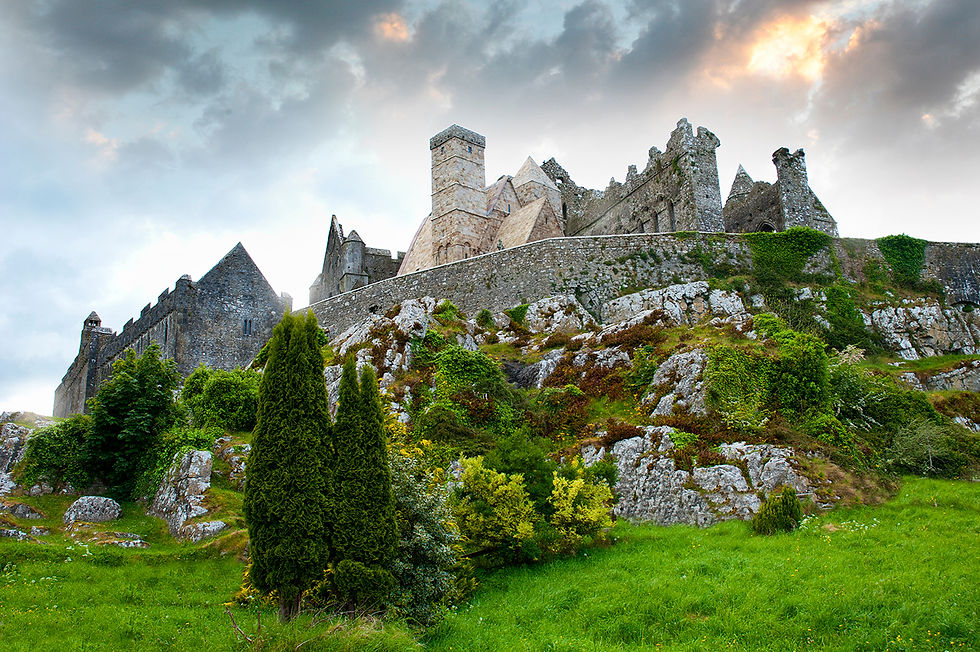
Ireland’s The Rock of Cashel. Photography: Doom.ko.
3. Ireland
Ireland catapulted from 11th place to 3rd in 2022 and has retained its prized third spot on the list in 2025. Outside of a few city neighbourhoods, crime is quite low, but as in any country, one should be wary of pickpockets and scammers in tourist-dense areas. Today, there is little threat of cultural violence or terrorism, and the report notes that the Irish landscape may pose a greater safety risk than its people! The country’s breathtaking cliffs and winding country roads must be treated with respect, especially during a sudden rainstorm or in areas with no smartphone reception.

Taranaki Falls, Tongariro National Park, New Zealand. Photography: Henner Damke.
4. New Zealand
New Zealand is the fourth-safest country in the world. Like Iceland, New Zealand has a very low crime rate, and violent crime is especially rare. Theft is still worth guarding against, especially in tourist areas (which holds true in every country in the world), but overall risk is minimal. Unlike its neighbour Australia, which is known for its dangerous wildlife, New Zealand has no deadly animals. New Zealanders are generally open-minded and have laws in place to prevent the violation of anyone’s freedom of speech or expression. As in Iceland, police in New Zealand do not carry firearms.
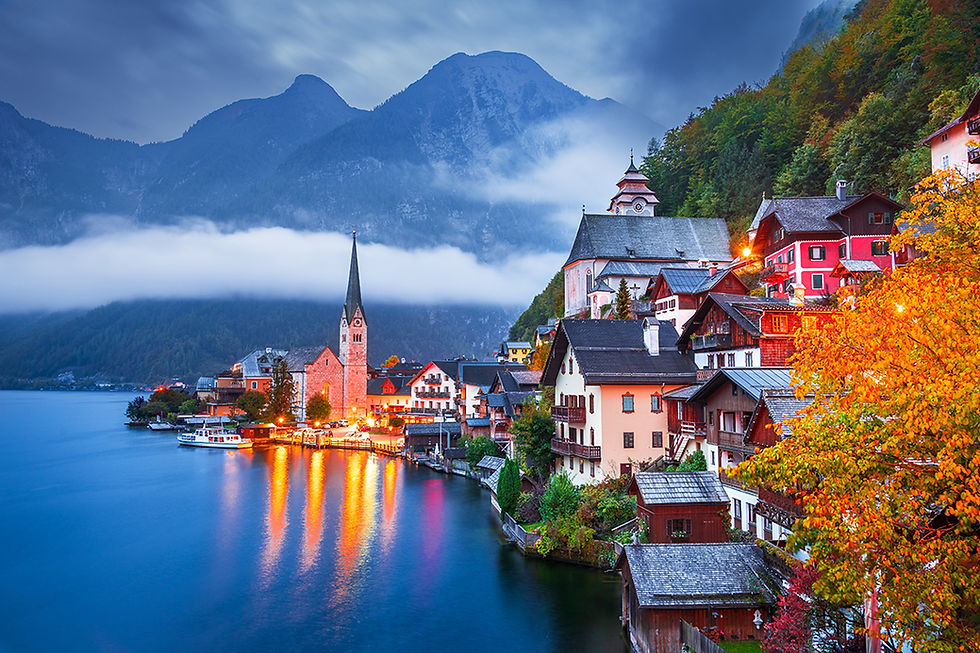%2C%20in%20Austria%E2%80%99s%20mountainous%20Salzkammergut%20reg.jpg)
Hallstatt, on Hallstätter See (Lake Hallstatt), in Austria’s mountainous Salzkammergut region. Photography: Ecstk22.
5. Austria
While violent demonstrations in the wake of ongoing social unrest remain a concern, these are relatively easy to avoid, and otherwise, Austria is a very safe country to visit. Serious crimes are uncommon (with the standard caveat to watch for pickpockets and purse-snatchers). Additionally, Austria has been spared any major acts of terrorism in recent years.

Supertree Grove, the 18 tree-like structures that dominate the Gardens by the Bay landscape, Singapore. Photography: SCStock.
6. Singapore
Singapore residents feel the highest sense of personal security and have more positive experiences with law enforcement than residents of any other country. Singapore has one of the lowest crime rates in the world, possibly due to the severe penalties that are issued for even small crimes. The government and police strictly control guns and other firearms, and violent and confrontational crimes are rare in Singapore. Singapore also ranks as the second-safest city in the world after Tokyo.
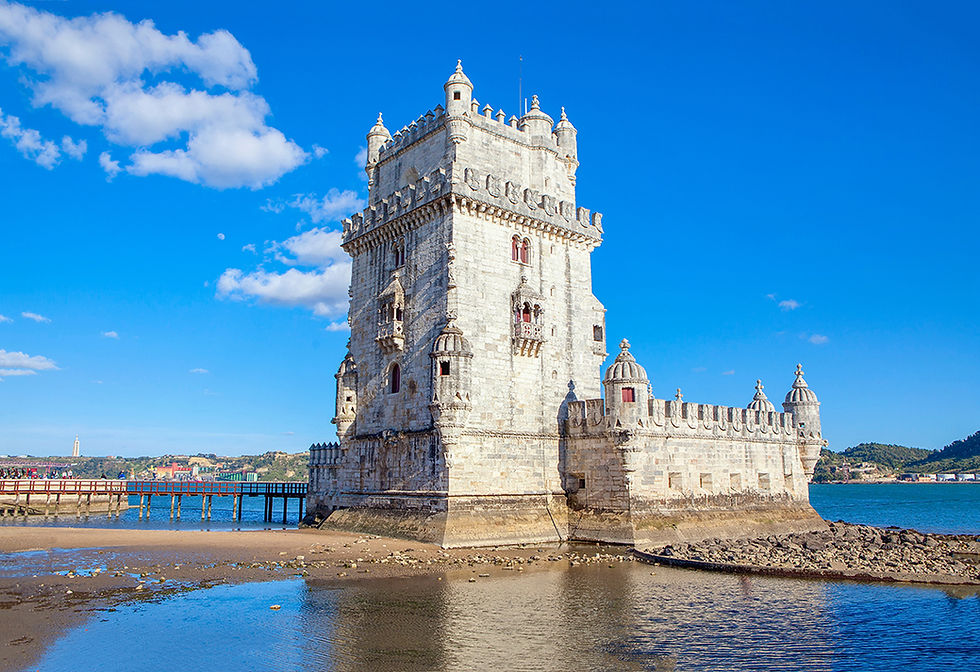
Belém Tower, a 16th Century fortification in Lisbon that served as a point of embarkation and disembarkation for Portuguese explorers and as a ceremonial gateway to Lisbon. Photography: Russieseo.
7. Portugal
Ranked 18th globally in 2014, Portugal has made significant strides up the list. Unlike Iceland and New Zealand, Portugal has armed police, however an increased police presence has resulted in a decreased crime rate in the country. In recent years, Portugal has experienced an economic resurgence, decreasing its unemployment rate from over 17% to under 7%. Portugal consistently ranks among the best countries for retirement, due in no small part to its high level of safety.

Lake Bled in the Julian Alps of the Upper Carniolan region of northwestern Slovenia. Photography: Kavita.
8. Slovenia
One of the former constituents of Yugoslavia, Slovenia has a high safety ranking that can be attributed to its excellent scores in three categories: travel security, medical risks, and road safety. Like many Slavic states, Slovenia installed a democratic government in the mid-1990s and is now focused on improving quality of life in many areas, including safety and sustainability.
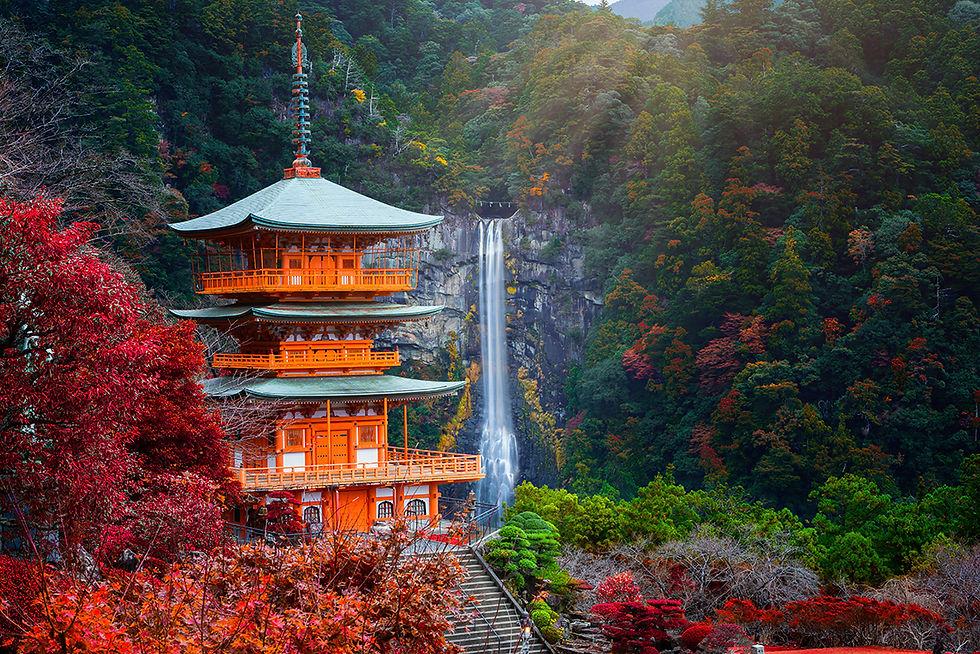
Kumano Nachi Taisha is a Shinto shrine and part of the UNESCO-designated World Heritage Sacred Sites and Pilgrimage Routes in the Kii Mountain Range of Japan. Photography: ID Anuphon.
9. Japan
Japan has been in the top ten countries in the Global Peace Index for 15 years, consistently receiving high marks for low crime rates, minimal internal conflict, and virtually non-existent political unrest. Tokyo often features on lists as one of the safest cities in the world, ranking first in cybersecurity, second for health security, and fourth for infrastructure security and personal security. Japan’s proximity to potentially hostile neighbours China and North Korea could become a threat to its safety at some point but has not thus far. Japan is known for citizens having limited access to firearms, as the Japanese do not view carrying a firearm as an individual’s right.
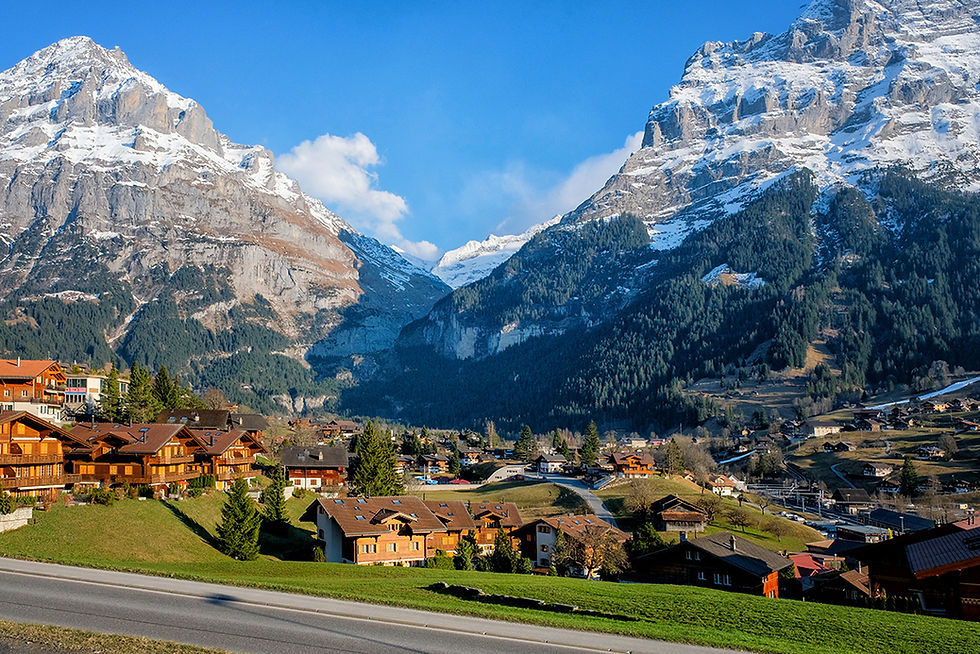
Grindelwald is considered to be one of Switzerland’s most popular travel destinations. Photography: Sahachat.
10. Switzerland
Switzerland’s neutrality during periods of conflict attracted some of the world’s greatest minds, including James Joyce, George Byron, and Voltaire. Its European neighbours have honoured the country’s neutrality, leading it to not take sides in either of the world wars and remain outside the European Union. As a result, Geneva is a popular headquarters location for international organisations, such as the International Committee of the Red Cross and the United Nations.
Three of The Solo Traveller Team’s Top Three Destinations
Yvonne Kower, Writer
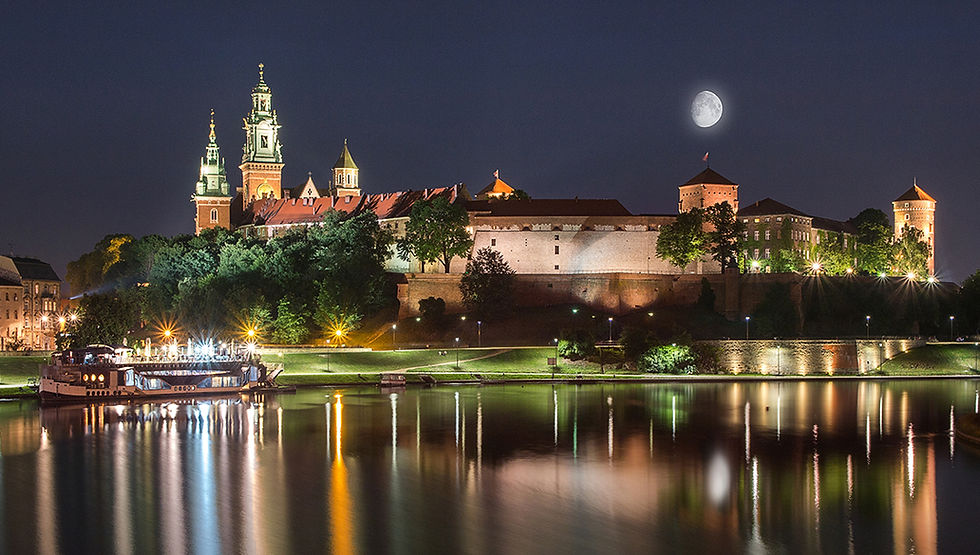
Kraków, Poland … for the stunning architecture, the main marketplace, the underground bars, the cafés and cabarets.Photographer: Radosław Dybała.
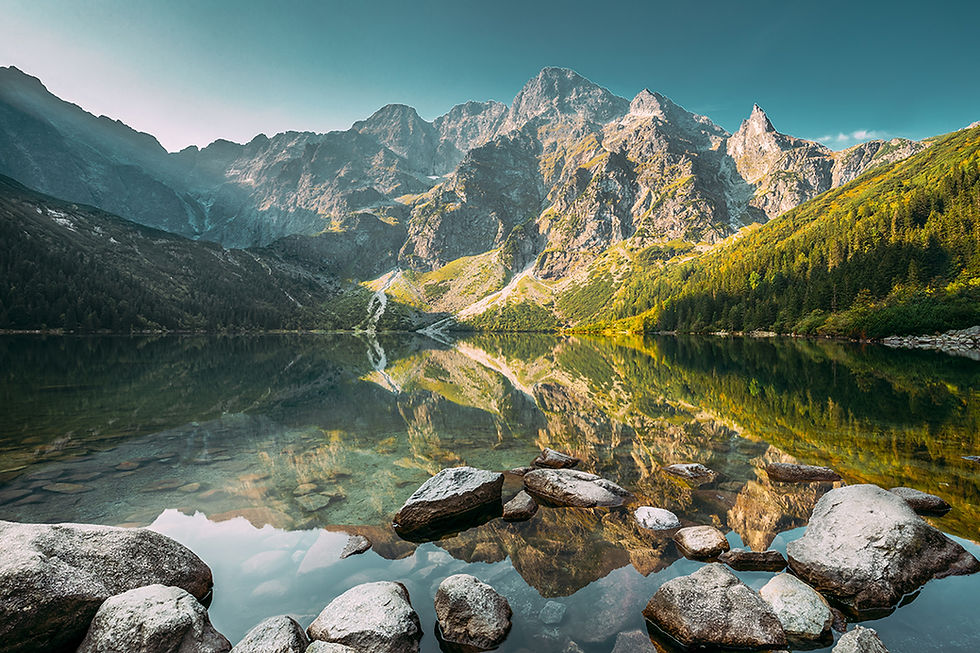
Zakopane, Poland … for the unique highlander culture, music, and beautiful mountain scenery. Photographer: Great Brut Here.
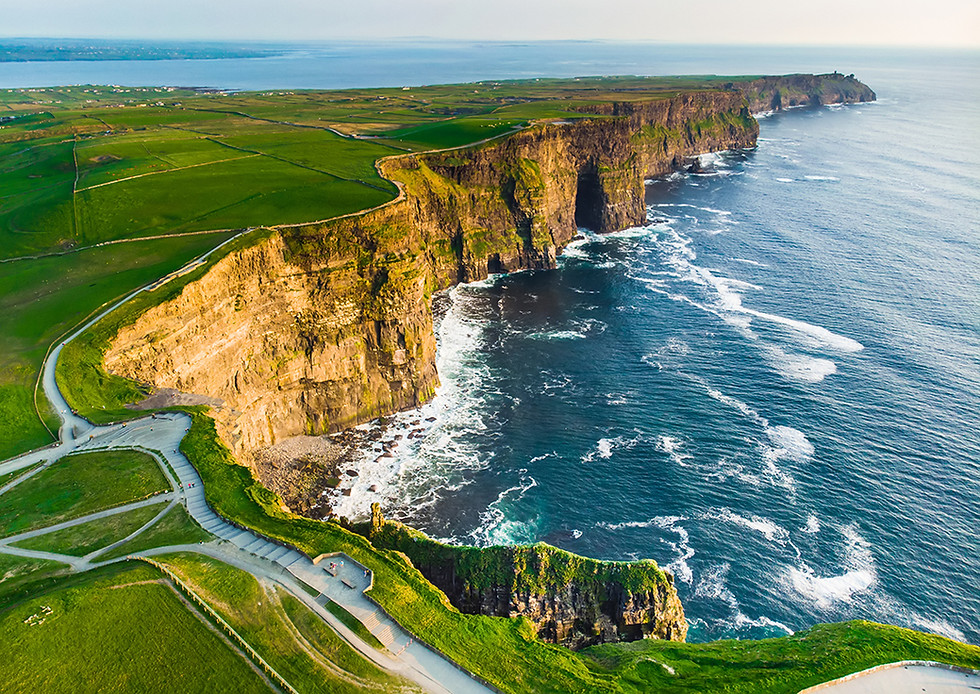
Doolin, Ireland … for the music, cows, breeze, and ancient culture. Photographer: MNStudio.
Geoffrey Williams, Founder, Publishing Curator, and Writer
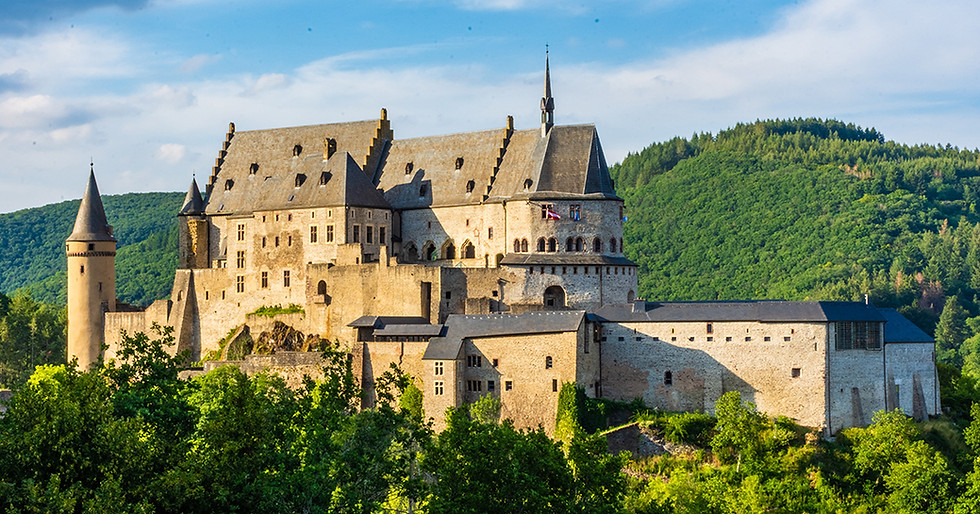
Luxembourg A gem that redefines the essence and rich rewards of slow travel, history, walks, forests, and memories that continue to illuminate my life. Truly unforgettable. Photographer: Stefano Zaccaria.

Hong Kong Snaps you out of complacency and rewards every one of your senses in countless, surprising, and unforgettable ways. Photographer: Vichie81.
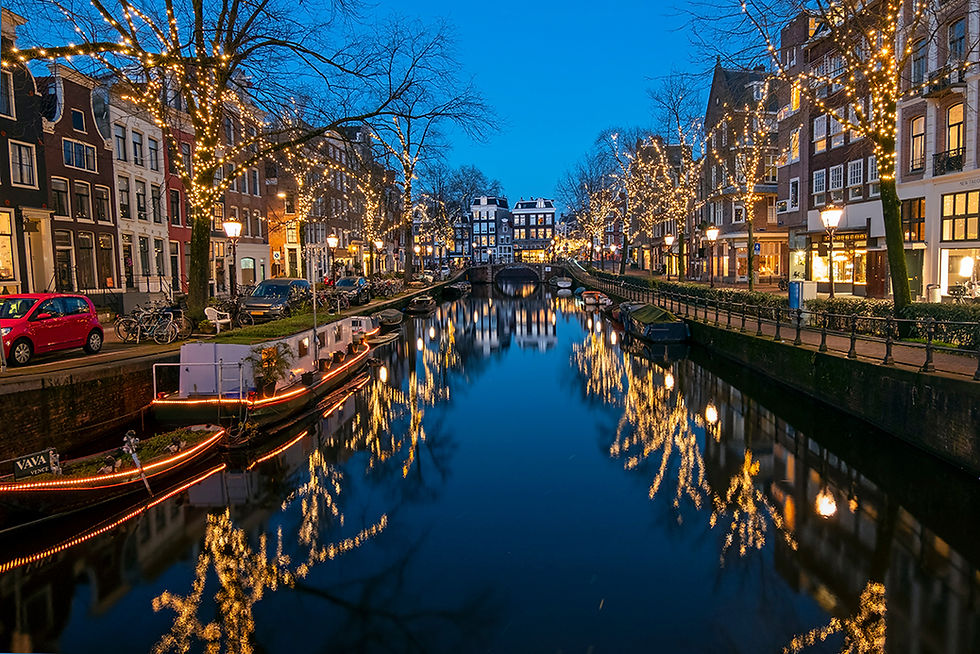
Amsterdam A soft solo landing is almost certainly guaranteed in this captivating city that feels like she has just been waiting for you to show up. Art, music, theatre, bike-riding, canal cruises, street food vans (the herring and frites!) … the list is endless. Photographer: Nataraj.
Josh Chandler, Writer

Naples, Italy For the solo traveller who likes their culture raw, their pizza divine, and their chaos charming. Naples isn’t polished – it’s alive, loud, and unapologetically itself, which makes it perfect if you’re tired of travel that plays it safe. Photographer: Herraez.

Oaxaca, Mexico … because sipping mezcal at sunset is technically a cultural activity. This spirited southern Mexican gem serves up street food, colour, and tradition in equal measure. Photographer: Alan.
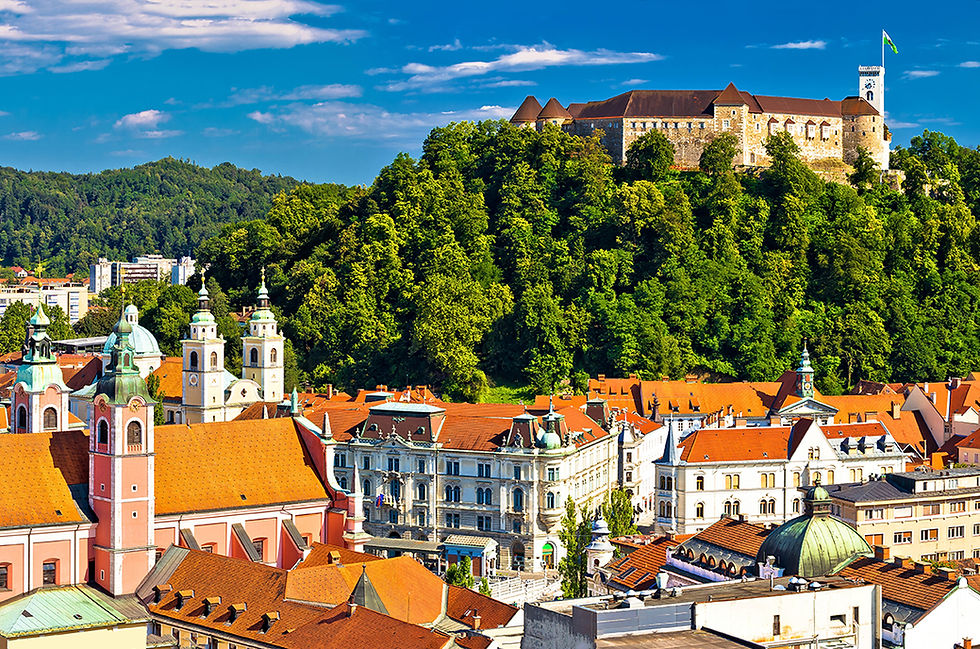
Ljubljana, Slovenia For when you want all the European fairytale feels, minus the crowds and clichés. Slovenia’s pint-sized capital is green, easy to explore alone, and might just make you believe in love at first city. Photographer: Xbrchx.