
THE SOLO TRAVELLER
Your world. Your way.
Confidence and Safety

For solo travellers, it’s about having a plan that keeps our funds safe, flexible, and accessible no matter where we are in the world. Photography: Dennis Zhang.
‘Solo smart’ money management
By Geoffrey Williams
Briefly …
Experienced travellers say the key to managing money abroad is relatively simple – use fee-free cards, carry a mix of cash and cards, and avoid poor exchange options.
Managing our money can be one of the trickiest parts of travelling solo. One moment we’re dazzled by all the delicious choices on the menu, the next we’re stranded at a card reader that is simply refusing to cooperate. For solo travellers, it’s about having a plan that keeps our funds safe, flexible, and accessible no matter where we are in the world.
One thing that we can all agree on, is that managing money on the road is as much a mindset as a skill. Some people love the thrill of juggling currencies, exchange rates, and apps, while others, like me, just want a simple system that covers the essentials without stress. Either way, experienced travellers agree there are a few clear principles that make life easier and help you avoid costly mistakes.
First, the right cards make all the difference. Fee-free debit and credit cards, prepaid or multi-currency travel cards, and app-based personal finance services keep you close to spot rates and protect you from the sting of foreign transaction and automatic teller machine (ATM) fees announcing the unexpected disruption in a language you don’t comprehend. The hot tip if you need the ATM to communicate with you in English, is to look for the flag icons, or the word ‘English’, on the screen after you have inserted your card.
Just as important is never ‘putting all your eggs in one basket’. Travellers recommend carrying a mix – a couple of cards stored separately, a backup for emergencies, and a little local cash for taxis, tips, or small shops. Losing one wallet or having a card blocked shouldn’t mean losing access to all your money.
Finally, the golden rule – don’t fall for bad exchange options. Airport kiosks, dynamic currency conversion at stores, or unfamiliar ATMs will almost always eat into your funds. Instead, use ATMs from trusted networks, authorised money changers, or digital platforms that lock in fair rates.
We invited members of our international community of seasoned solo travellers to share their insights, and their advice was consistent – rely on the right cards, spread your money across different sources, and avoid costly exchanges. Together, these strategies form a toolkit for staying secure, avoiding hidden costs, and making sure your money works for you so you can focus on the journey, not the fees. Here’s how they make it work on the road.
Harrison Astbury, Financial Analyst and Editor, InfoChoice
As an experienced traveller, Harrison tells us that one of the best and most convenient ways is to take a debit card overseas that does not charge foreign transaction fees or foreign ATM fees. “It’s nearly always better to just do this rather than deal with money exchange sites either in your home or host country. Check if your bank already has a fee-free debit card – if not, you might be slugged a percentage fee per transaction plus a nominal fee every time you withdraw – ouch!”
“There are plenty of cards that you can set up quickly, fee-free, and hit the ground running. It’s also worthwhile comparing credit cards in case you need to pay for security deposits – you don't want to lock up your own funds. Credit cards also often come with no foreign transaction fees and include travel insurance. Beware withdrawing money on a credit card however, as you could face very high interest rates.”

Miguel Angel Gongora Meza, Founder and Director, Evolution Treks Peru
When Miguel travels, he divides his money into three categories; “… a little cash in the local currency available for daily expenses, a reserve locked in my bag, and a card stored separately for emergencies. In Peru, I witnessed tourists lose it all when they carried all of their money in one wallet.”
“I stay away from airport kiosks, which can be expensive. In Lima, I saved $80 in a month by changing $100 bills at authorised Casas de Cambio (a currency exchange or a bureau de change) rather than at the airport. From time to time, I withdraw larger sums of cash out of the bank, such as a few hundred bucks, in order to minimise bank fees. This equilibrium of preparation is harmonious while on the road.”

Daniel Vasilevski, Owner and Director of Pro Electrical, Australia
For Daniel, travel has always tested his ability to stay disciplined with money while moving across different countries. “I learned that the most effective safeguard against currency losses and hidden charges is to treat money the same way I treat electrical systems on a job site, which means breaking it down into circuits that serve specific functions.”
“I have three different debit or credit cards, each designated for one purpose only, such as daily spending, larger pre-booked expenses, and emergencies. In this way I have a clear understanding of the percentage of my total budget that is going out through every channel, and this prevents me from combining categories and spending more than I had originally planned.”
“I also carry one card with a certain amount on it that could cover me for at least seven days of lowest living standards that will save me against sudden changes in currency and also save me the conversion fees that are charged at random ATMs. For example, by putting $700 on a prepaid travel card if my daily target is $100, I have one week completely accounted for before I leave. This system has saved me thousands of dollars over the years, not only in saving me exchange fees but also in avoiding the temptation of crossing the line between what is necessary and what is simply convenient.”

Eloise Stark, Digital Nomad, Travel Writer, and Blogger, UK
Eloise is on the road full-time and has become “pretty good at managing different currencies and avoiding unnecessary fees. Two apps I rely on are the money transfer services, Revolut and Wise. Both let you exchange money between currencies at competitive rates, without extra transaction fees. You can also hold accounts in multiple currencies, which makes international transfers easy.”
“Both of these apps offer physical debit cards, as well as virtual and prepaid options. The prepaid cards are particularly handy in destinations where you’re worried about pickpockets. You can add a set amount, so even if the card disappears, you’re not losing much.”
“I recommend having both apps, as it allows you to withdraw more cash without fees. Both Revolut and Wise have a cap on the amount (or number of times) you can withdraw. In countries where cash is used predominantly, having both services is helpful to get around paying fees.”

Gregg Feinerman, Owner and Medical Director, Feinerman Vision, USA
For over 25 years, Dr Gregg Feinerman has often travelled for medical missions and conferences. “During one mission to Cambodia my wallet was stolen, but I had a backup debit card tucked in the hotel safe. My backup card allowed me to proceed with the work without issue and gave me money while I replaced it. Since then, I have a travel card with about $250 in it that I use for the daily expenses, leaving my main account in the event that I was skimmed.”
“I use my bank’s digital platform for large amounts, as the exchange rates are always better than a kiosk. I always let my bank know ahead of time of my travel dates and what countries I will be travelling to so that they don’t block my transactions. Preparation before I leave sets me up for success and allows peace of mind when the unexpected happens, and being financially organised shouldn’t cause failure, especially when it is about the mission.”
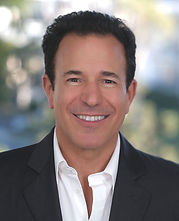
Dean Rotchin, CEO and Founder, Blackjet, USA
High-flying Dean Rotchin recommends using multi-currency travel cards instead of cash. “Chip and personal identification number (PIN) travel cards are safer and easier to carry than cash, and you can load the cards with various currencies before you travel. Not only does this lock in favourable exchange rates and avoids daily fluctuations, but card transactions are often safer than cash. Banks also usually provide better fraud protection for cards if something goes wrong. You can also spend your money in real time using mobile apps using these cards and stay on budget, and you can also withdraw funds remotely when necessary without having to worry about not having any money in a new country.”
“It is also really important to let your bank and credit card companies know you are travelling at least a week ahead of your trip. Share where you’re going and your travel dates, which is the easiest way to ensure your cards aren’t flagged as suspicious when you shop abroad. Banks can help you find partner ATM networks, and these networks may charge lower fees in your host country. Save international customer support phone numbers in your phone so you can call them anytime if there are issues.”
“Before you travel, check ATM networks and banking partners to see which ATM networks your bank uses in the country you’re visiting. Such alliances can offer free withdrawals, which can save you a lot of money across a series of transactions. You can find these partner ATMs near your accommodation and key attractions. Download banking apps with ATM finders, which will help you find the cheapest spots to withdraw money while you’re travelling.”

Justin Crabbe, CEO and Founder, Jettly, USA, France, Canada, and the UK
“Avoid using dynamic currency conversion when shopping abroad” Justin tells us, “because malls and ATMs often offer poor exchange rates for this service. When given the choice, it is always better to use the local currency as compared to your home currency. This practice ensures your bank handles conversion at better institutional rates. Merchants earn money from currency conversion fees when you accept their offers, so be careful with your words. Make sure you are using the local currency, not your home currency.”
“Always keep a few payment methods from different banks, this way you’ll always have some cash on hand. Carry one primary card in daily spending and leave a second card somewhere in the case of an emergency. Carrying some local money will help you pay for things like a taxi or a tip when you arrive. Credit cards often offers better fraud protection than debits card, so it’s wise to consider using it for larger purchases and online bookings.”
“Enable real-time alerts for transactions in your bank app. This helps you spot unauthorised use. Check your account balances daily while travelling, as this helps ensure all charges are valid and correct. You can set spending limits on your cards for daily use, which helps you avoid overspending and reduces the risk of fraud. Download your bank’s official app before you travel, which will help you manage your accounts securely, while also avoiding public computers. Report any suspicious activity to your bank right away, because timely reporting helps limit your liability for fraud-related charges.”

Jermaine Amado, J Amado Photography, USA
Jermaine is a photographer based in Denver, Colorado, who has travelled 50 countries and has been to all seven continents. Jermaine’s top tip is to have a card that has no international transaction fees. “If you could get your hands on a debit card with no international transactions fees and ‘out-of-network’ ATM withdraw fees then that’s better! If you plan on using an ATM overseas, I suggest to still exchange currency from your bank because international ATMs sometimes charge you a percentage of the money you are withdrawing. That percentage varies from bank to bank, and that fee is most likely not covered by your bank.”

Eugene Leow Zhao Wei, Director, Marketing Agency, Singapore
Managing money while travelling can make or break the experience, and over the years, Eugene has picked up some practical habits that keep things secure and stress-free. “One of my go-to strategies is carrying a mix of payment options – a no-foreign-fee credit card for major expenses, a backup debit card stored separately, and a small stash of local cash for situations where cards aren’t accepted. I also always notify my bank before travelling to avoid card freezes and use mobile banking apps to track spending in real time. Another simple but effective habit is using airport exchange kiosks only as a last resort. Instead, I withdraw local currency from ATMs in the destination country. It usually offers much better rates and avoids hidden conversion fees.”

Gregory Shein, CEO, Nomadic Soft
Gregory travels often, and his top tips for managing money overseas are to first, use a mix of cards and cash. “Cards are safer, but cash helps in small shops or remote places. Second, tell your bank before you travel so your card doesn’t get blocked. Third, avoid airport exchanges and use local ATMs or trusted apps for better rates. Fourth, track your spending with mobile banking or finance apps – simple tools can save you from overspending. Finally, keep an emergency fund separate, just in case. These small steps make travel easier and keep your money safe.”

Our top three ‘solo smart’ money management tips
1. Choose smart, fee-free cards
2. Diversify your money sources
3. Avoid rip-off exchange options
Geoffrey Williams is the Founder and Publishing Curator of The Solo Traveller.
Disclaimer: The information provided in this article is for general informational purposes only and does not constitute financial, legal, tax, or investment advice. It has been prepared without taking into account your personal objectives, expectations, circumstances (whether travelling or not), financial situation, or needs. Before acting on any content contained in this article, you should consider whether it is appropriate for your circumstances and consult with a qualified professional. While care has been taken to ensure accuracy, The Solo Traveller Group and Firestar Studios disclaim all liability for any loss or damage arising from reliance on this information. Past performance of any financial product or strategy mentioned is not indicative of future results.