
THE SOLO TRAVELLER
Your world. Your way.
Hiking and Trekking
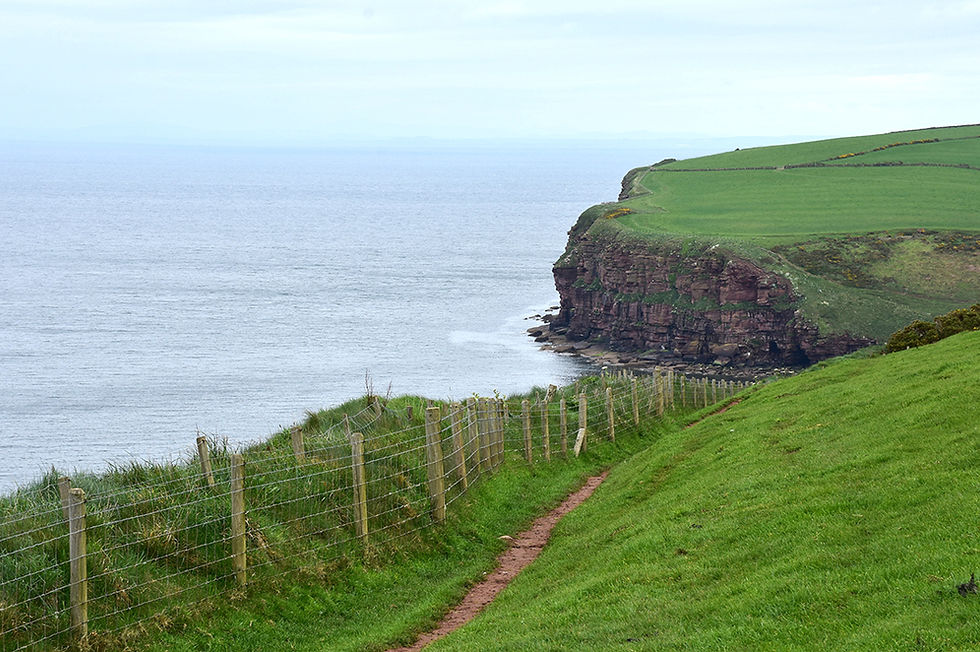
St Bees clifftop walk, England. Photographer: DejaVu Designs | iStock.
Coast to coast with confidence
A Q&A with Marcus Nation, Destination Expert for UK Hikes at RAW Travel
Briefly …
A single day with an experienced guide can help prepare solo travellers for the challenges of independent long-distance walking. England’s Coast to Coast Walk offers an opportunity to put those skills to the test across some of the country’s most demanding landscapes.
Walking across England from the Irish Sea to the North Sea is a considerable undertaking, particularly for someone travelling alone. Beginning on the cliffs above St Bees, the route crosses the mountains and glacial valleys of the Lake District, the limestone country of the Yorkshire Dales and the exposed moorlands of North Yorkshire before reaching the fishing village of Robin Hood’s Bay. The journey demands more than physical stamina, with navigation, changing weather and decisions about the terrain ahead all part of the challenge.
The Coast to Coast Walk was devised by British walker and guidebook author Alfred Wainwright, who published his route in 1973. Rather than following an established long-distance trail, Wainwright linked existing footpaths and rights of way to create a journey across northern England.
RAW Travel’s self-guided Coast to Coast itinerary introduces an experienced local guide on the second day, when walkers first encounter the more demanding terrain of the Lake District. The guide’s role is to help travellers develop the practical skills and judgement they will need to continue independently. Accommodation, luggage transfers and other arrangements are handled by RAW Travel, but the responsibility for navigating the route remains with the walker.
Marcus Nation, Destination Expert for UK Hikes at RAW Travel, explains how that early instruction prepares solo travellers for the journey ahead, and what they can learn from crossing northern England on their own two feet.
RAW Travel includes a day with an experienced local guide early in the Coast to Coast Walk. What are you trying to teach a solo traveller during that day that will help them manage the rest of the journey independently?
RAW Travel provides a guide for the second day of walking. This will be the traveller’s first day in the Lake District, and their first challenging day of walking. This day is about building confidence and giving walkers the skills they need to feel comfortable travelling independently for the remainder of the trip. Our local guides do much more than show people the way. They demonstrate how to use the route information and navigation tools, explain how to recognise key landmarks and trail markers, and share their local knowledge of the landscape and conditions. This is most important in the Lake District, given the remote, rugged and exposed terrain.
Just as importantly, they help walkers understand the practicalities of a long-distance walk, from pacing themselves and managing their energy to knowing when to take a break or reassess their plans. We want people to start the journey feeling prepared, rather than worrying about what might happen once they’re on their own. By the time the guide leaves, they should have a much clearer understanding of what to expect and the confidence to make the journey their own.
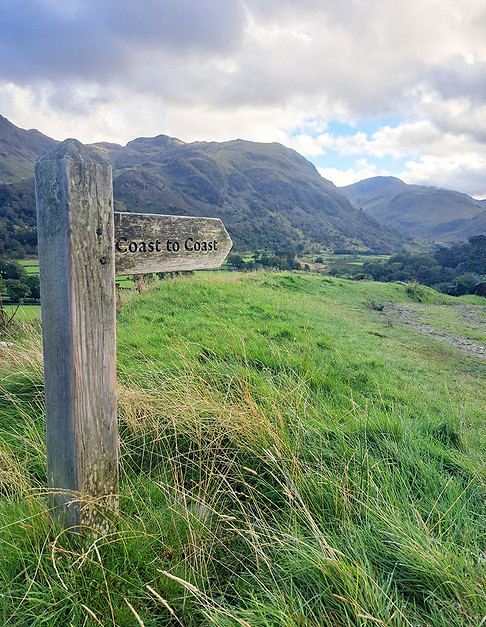
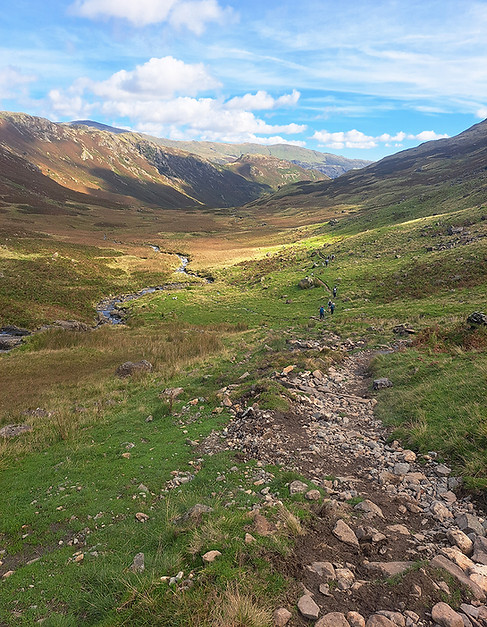
The Coast to Coast Walk. Images courtesy RAW Travel.
Navigation is one part of independent walking, but judgement matters too. How do you help someone learn to assess the terrain and changing weather conditions, and decide how to respond?
A big part of preparing someone for independent walking is helping them understand that good navigation is about more than following a line on a map. It’s about developing an awareness of their surroundings and learning to make sensible decisions as conditions change. Our guides share their experience of reading the landscape, recognising when a route is becoming more challenging, and understanding how weather can affect visibility, footing and walking times. They also encourage people to look ahead, check the forecast, and plan their day around potential changes in weather.
Experience plays a big part in developing that judgement, so we want walkers to ask questions and learn from the guide’s decision-making throughout the day. The aim isn’t to turn everyone into an expert overnight, but to help them recognise when things are going to plan, when they need to be more cautious, and when the sensible decision might be to change their route.
Once the guide leaves, the traveller has to put those lessons into practice. What tends to be the biggest adjustment when someone begins making those decisions entirely for themselves?
Often, the biggest adjustment is mental rather than physical. When you’re walking with a guide, there’s someone else taking responsibility for the route and helping you assess the conditions. Once you’re walking independently, you become responsible for those decisions yourself, and that can feel like a significant change at first.
Most people are more capable than they initially give themselves credit for. There can be a little uncertainty in the early stages, but as walkers settle into the rhythm of the journey, they begin to trust their preparation and their own judgement. They learn that it’s perfectly normal to stop, check the map, take a moment to assess the situation and then continue with confidence.
“Most people are more capable than they initially give themselves credit for.”
We also encourage people to understand that independent walking doesn’t mean they have to get everything right without asking for help. Knowing when to seek advice or reconsider a plan is part of being a confident walker. Seeing that confidence grow over the course of the journey is one of the most rewarding aspects of this style of travel.
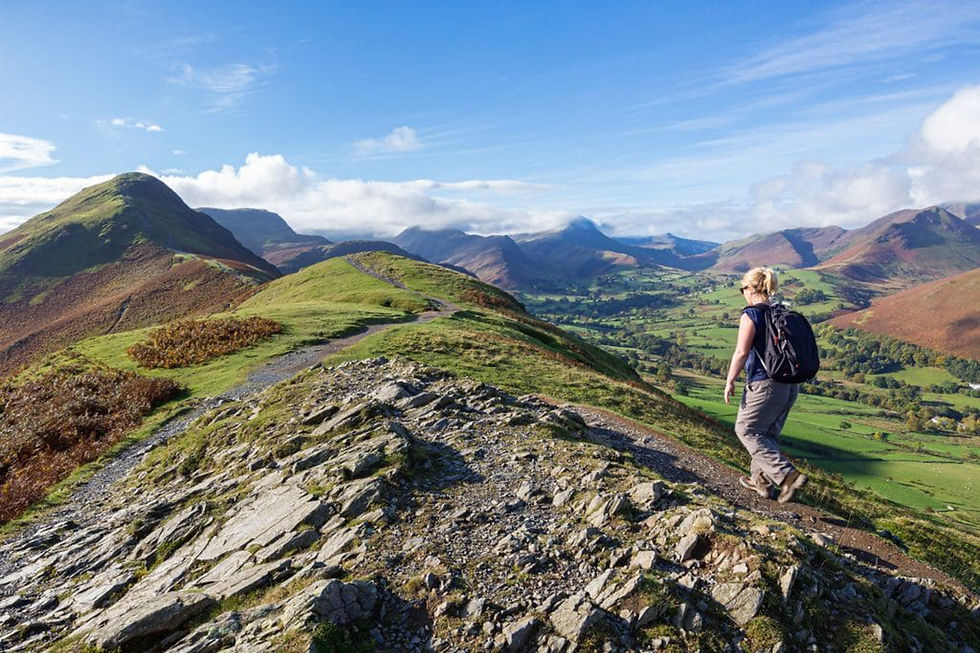
The Coast to Coast Walk. Image courtesy RAW Travel.
RAW Travel takes care of accommodation, luggage transfers and much of the logistics while the traveller walks independently. How does that balance of support and self-reliance change the experience for someone travelling solo?
It gives people the freedom to experience the journey on their own terms without having to manage every practical detail themselves. Walking independently means you can set your own pace, enjoy the quiet moments, stop when something catches your eye and spend time with the landscape in a way that feels personal to you. For solo travellers, that freedom can be particularly rewarding. At the same time, we know that organising accommodation, luggage transfers and the logistics of a multi-day walk can be complicated, without in-depth local knowledge of a route as varied as the Coast to Coast. By taking care of those arrangements, we remove much of that administrative burden and allow people to focus on the walking itself.
There’s also reassurance in knowing that support is available if something doesn’t go to plan. You have the independence of making the journey your own, but you’re not left to organise everything alone. We think that balance is what makes this style of travel so appealing: you get a genuine sense of adventure and personal achievement, with the practical arrangements taken care of in the background.
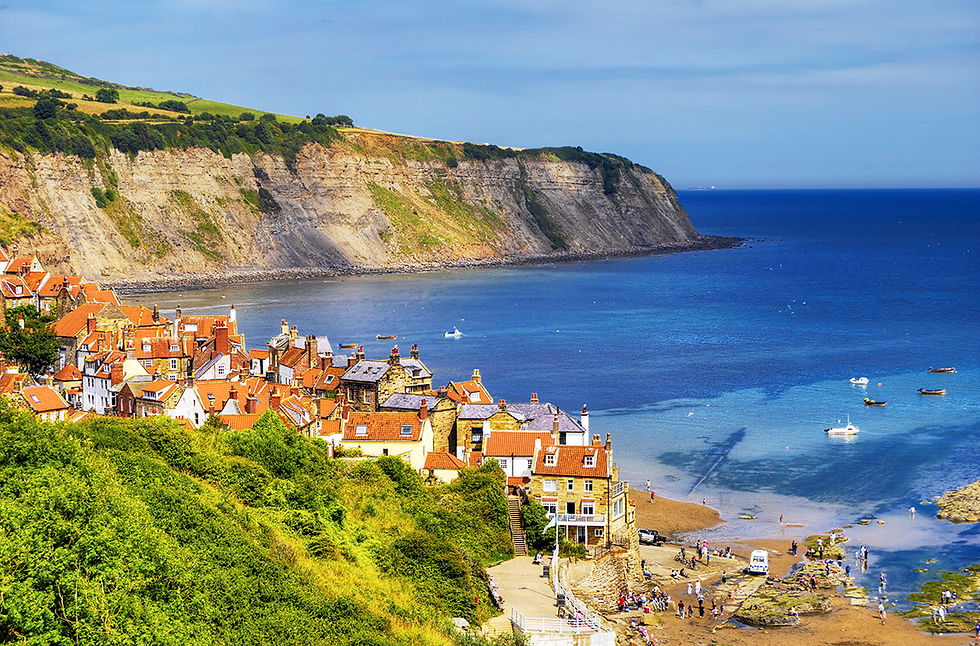
Robin Hood’s Bay, England. Photographer: Khrizmo | iStock.
The Coast to Coast asks walkers to cross very different landscapes between St Bees and Robin Hood’s Bay. What does completing that journey teach you?
The Coast to Coast teaches you a great deal about resilience, adaptability and what you’re capable of achieving when you take things one day at a time. The landscapes change dramatically along the way, from the rugged beauty of the Lake District to the open moorland of the Yorkshire Dales and the North York Moors, before the final descent towards the coast at Robin Hood’s Bay. Each section brings its own challenges, and no two days feel quite the same.
You learn to adapt to different terrain, changing weather and the inevitable ups and downs of a long-distance journey. Some days are exhilarating, while others can be physically demanding or mentally challenging. But there’s something powerful about continuing to put one foot in front of the other and gradually seeing how far you’ve come. You’ve crossed the country from one side to the other, which is a huge achievement.
For solo walkers in particular, completing the Coast to Coast can be a very personal achievement. You’ve navigated unfamiliar landscapes, made decisions for yourself and overcome challenges along the way. Reaching Robin Hood’s Bay is about more than completing a walk; it’s the realisation that you’ve done something genuinely challenging under your own steam. Many people finish with a stronger sense of confidence, independence and appreciation for what they can achieve.