
THE SOLO TRAVELLER
Your world. Your way.
Nature and Wildlife

Image courtesy Safari Guru.
The safari season less travelled
A Q&A with Safari Guru founder Deon De Villiers
Briefly …
Africa’s green season brings rain, thicker vegetation, newborn wildlife and fewer safari vehicles, but conditions vary considerably across the continent. Safari specialist Deon De Villiers explains what travellers can expect, where the season works best and why a little mud need not spoil the experience.
For many travellers, the idea of an African safari comes with an assumed season: dry skies, sparse vegetation and wildlife gathering around shrinking water sources. Add rain to the forecast and the temptation can be to wait for another time of year.
But Africa’s green season is neither one season nor one experience. Rainfall, wildlife movements and access vary considerably between regions, while fewer visitors, changing landscapes and periods of remarkable wildlife activity can make travelling during the rains an entirely different proposition. Safari Guru founder Deon De Villiers shares what more than 15 years managing and guiding in Botswana and South Africa have taught him about the safari season less travelled.

Safari Guru Deon De Villiers in Kenya. Image courtesy Safari Guru.
You have spent more than 15 years guiding across the African wilderness. What do travellers most often misunderstand about the green season? What does the landscape actually look and feel like once the rains arrive?
‘Green season’ (sometimes called the emerald season) is a marketing term that has become increasingly flamboyant over the years and is often associated with the time when safari prices are at their most attractive. Loosely translated, it refers to the rainy season, which for many travellers immediately conjures images of torrential storms, monsoons and flooding. That can be true in some parts of Africa at certain times of year, but green season is not a single, predictable season across the continent. Knowing when and where to travel and how to take advantage of green-season pricing without compromising the quality of the safari is where real African destination knowledge becomes invaluable.
Understanding Africa’s best green-season safaris can feel like having a key to paradise. It unlocks exceptional value at pristine camps, with very few safari vehicles and little tourism activity in sight. With fewer people in the bush, the wilderness feels more open and unhurried, and wildlife moves freely between abundant food and water sources. Rain does fall, of course, but in many safari regions it often arrives as an afternoon or evening thunderstorm rather than days of uninterrupted rain. The storms may roll in daily or every few days, depending on the area: a dramatic display of wind, lightning and force, before moving on towards a sunset that can feel almost theatrical.
What stays with me is what comes afterwards. The air is fresh, crisp and completely free of dust. The bush may appear still for a moment, until the final crackle of thunder signals a return to life: grazers emerge to feed, frogs begin calling loudly from newly filled pans and predators start moving with purpose again. For a green-season photographer, those clean skies, dramatic clouds, rich colours and post-storm light are an absolute dream.
Before the first meaningful rains, the landscape can be stark and dramatic – dry grass, dusty earth and vegetation that appears to be holding on through sheer resilience. Then the rains arrive, and the transformation is extraordinary. The first flush of green spreads across the plains, trees begin to leaf, and a new energy seems to rise from the soil as far as the eye can see.
After more than 15 years managing and guiding in safari areas in Botswana and South Africa, I can almost count on one hand the occasions when rain truly set in for days and had a negative effect on a guest’s overall safari experience. Far more often, the storm itself became part of the memory – the smell of rain on dry earth, the sound of thunder rolling across the plains, and the clarity, colour and abundance that followed. For me, green season is not simply the time for lower rates. It is a celebration of Africa at its most alive, and one I have spent countless hours experiencing and sharing through my own lens.

Vumbura Plains, Okavango Delta, Botswana. Image courtesy Safari Guru.
How differently does the green season play out across places such as the Serengeti, Kruger, the Okavango Delta and South Luangwa?
There are a few commonalities across Africa’s green seasons, but there are simply too many differences and nuances to describe it as one standard period. The Kruger and Okavango Delta, for example, both experience the familiar dramatic African thunderstorms: hot, often sunny mornings followed by clouds building through the day, gusts of wind and then a downpour that may be intense but often clears as quickly as it arrives. The storms can come daily or every few days, depending on the region and time of year, leaving behind crisp, clean air, rich colours and skies that are a dream for photographers.
Zambia’s South Luangwa has a more intense rainfall pattern. The first rains can be spectacular and bring a wonderful freshness to the valley, but as the season develops, rain can set in overnight or continue for a few days at a time. Roads and bush tracks become difficult, and at times almost impossible, to traverse. As a result, many of Zambia’s more remote bush camps and some safari areas in Zimbabwe close during the heaviest rainfall months, concentrating their guest experience around the drier months and popular shoulder seasons.
All regions become abundant with young wildlife during their rain periods. Fresh vegetation is essential for the birthing of many plains species, and that can create some outstanding predator viewing. One of the best examples is the short-grass plains of the southern Serengeti in Tanzania. After the rains, the migration moves south to take advantage of the nutrient-rich grass, and the calving season can offer an extraordinary safari without the crowds associated with the more famous river crossings further north.
It is also important to remember that the Serengeti has two green seasons. The short rains generally arrive around November and December, greening the plains and encouraging the herds south. January and February can still bring showers but often offer long sunny spells and some of Africa’s most remarkable wildlife viewing. The longer rains, from around March to May, can be more intense, bringing more frequent rainfall, muddier conditions and cloudier skies.
The Okavango Delta floods differently. The local rains arrive in the summer months and turn the Delta’s islands, floodplains and woodlands green, but its famous annual flood comes from rainfall much further north in Angola and usually reaches Botswana in the dry winter months. It is one of Africa’s great natural contradictions: the Delta is often at its fullest when much of the surrounding country is at its driest. That is why green season is never simply about lower safari prices – it is about knowing where to travel, when to travel, what conditions to expect and what kind of wildlife experience will be at its best.
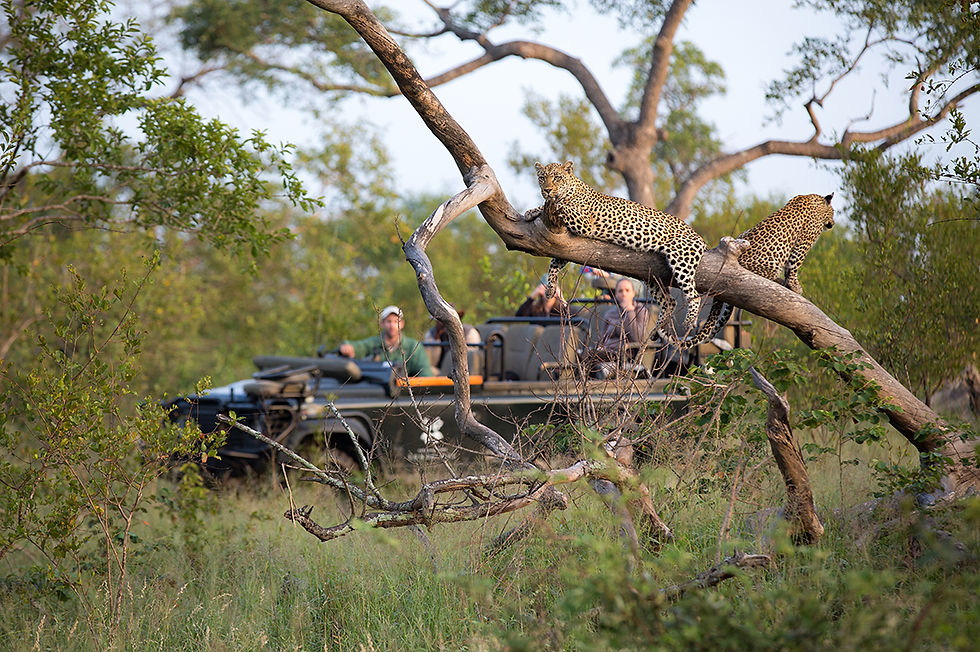
Kruger National Park. Image courtesy Safari Guru.
Calving is one of the great attractions of travelling at this time of year, particularly around the southern Serengeti and Ndutu. With so many vulnerable young animals also attracting predators, what is it like to witness that period on the ground?
This can be one of the most rewarding times to travel to the Serengeti. Increasingly, we are seeing travellers who want quieter travel periods and prefer to avoid the crowds often associated with the more famous migration river crossings. Naturally, baby animals are always a major drawcard, but the real magic comes from experiencing the plains at close range. Travelling with a more experiential safari outfit, led by highly experienced and walking-qualified guides, can place travellers at eye level with the wildlife and give them a far more intimate understanding of what is unfolding around them.
The Ndutu region and the southern Serengeti’s short-grass plains offer an extraordinary setting for this period. Vast herds, newborn animals and the predators drawn to them create an intensity that is difficult to describe until you are there. For travellers seeking an authentic safari, it is one of Africa’s great wildlife experiences – comparable in atmosphere and guiding depth to the remote private areas of Zambia’s South and North Luangwa.

Image courtesy Safari Guru.
Thicker vegetation, rain and changing access can make wildlife viewing less predictable during the green season. What does an experienced guide do differently at this time of year?
When a traveller engages Safari Guru and a walking safari is a central priority – whether it is the entire focus of the trip or even 50 percent of the experience – we would generally steer away from planning a walking-led safari in Southern Africa during the heart of the green season.
Thicker vegetation, muddy tracks, rising water and less predictable access can make walking less practical and, in some areas, simply not possible. An experienced guide adapts by reading the changing conditions, using more accessible areas, placing greater emphasis on tracking, birdlife and the smaller details of the bush, and knowing when a vehicle-based safari will offer the better experience.
Instead, we would usually look to another region, a different style of safari, or a more suitable travel period. If the travel window falls very early in the green season, however, and depending on the traveller’s experience level, we may still recommend carefully selected private areas in Botswana, Zambia or Zimbabwe where conditions are more favourable and the walking can remain a meaningful part of the journey.
There are occasions when I would definitely advise waiting for another season. If the dream is a proper walking safari – moving through the bush each day with an experienced guide, following tracks and spending extended time on foot – the dry season is usually the better choice. In Southern Africa, the most reliable walking conditions generally fall between May and September, when vegetation is thinner, trails are more accessible and wildlife is more concentrated around water.
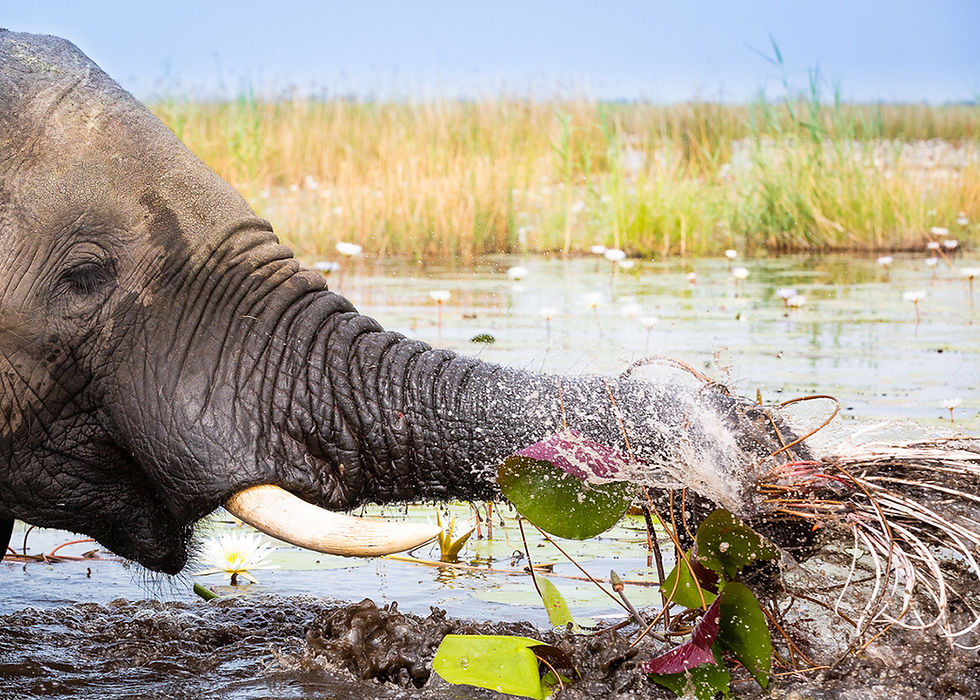
Image courtesy Safari Guru.
After years of watching safari destinations through different seasons, how much does having fewer vehicles and people around actually change the experience of being on safari?
Certain parts of Africa are attracting tourism in very large numbers and, sadly, there is little indication that this pressure will ease in the near future. Larger tourism models, increasingly adopted by major hospitality groups operating in safari regions, are driving even greater demand into already popular areas.
As a former safari guide, I have seen first-hand the pressure that one vehicle, or several vehicles, can place on wildlife. Fewer vehicles can fundamentally change the experience: animals are more relaxed, guides have more time to interpret behaviour without competing for position, and guests are able to sit quietly with a sighting rather than feeling part of a queue. It is better for the wildlife, and it creates a far more meaningful safari for the traveller.
For travellers choosing a green-season safari for the first time, how should they manage their expectations – particularly around weather, wildlife sightings and the day-to-day rhythm of the experience?
Travellers should expect lush, picturesque landscapes, fewer people in the wilderness and the possibility of an afternoon thunderstorm, but that is very much part of the experience rather than something to be feared. Embrace the weather. Game drives may be adjusted, routes may change and the rhythm of the day may become more flexible, but experienced guides know how to make the most of what the season offers. Our travellers can be confident that activities will be planned around the conditions.
The animals are still there; you may simply need to work a little harder to find them. Vegetation is thicker, water is more widely available, and wildlife is not always concentrated in the same predictable areas as it is during the dry season. But the reward is a safari that feels more exploratory, more personal and often more alive.
If only I had a dollar for every time a guest has told me that the most fun experience of their day was helping to push a Land Rover out of the mud while listening to the distant barks of baboons … or were they laughing?